
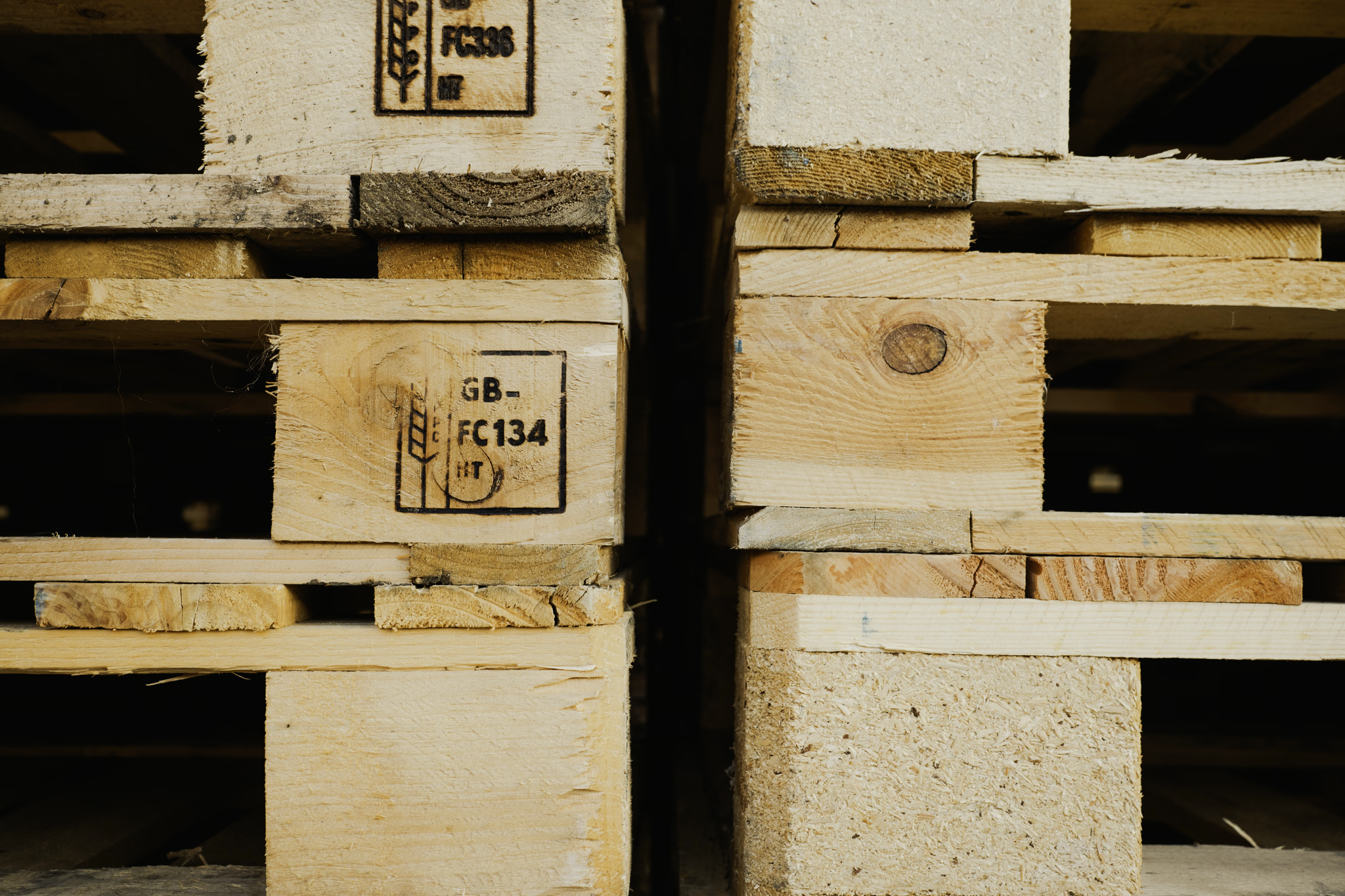
ISPM15 stands for International Standards for Phytosanitary Measures No. 15. It is a worldwide framework developed by the International Plant Protection Convention (IPPC). The legislation was developed to prevent the spread of pests and disease through Wood Packaging Materials used in international trade.
ISPM15 applies to solid wood packaging which includes pallets, crates, spools, dunnage and drums. The law does not apply to plywood, chipboard or furniture board because they are already heated in the manufacturing processes used to make them.
ISPM15 regulations require treated wood to be marked with the ISPM15 stamp which features the IPPC logo, a two-letter code indicating the country of origin, a unique number which is provided to the manufacturer or the company providing heat treatment and another two-letter code indicating the type of treatment it has been given.

A heat treatment stamp with markings and IPPC logo
What is the difference between Kiln Drying and Heat Treatment?
The process of heat-treating wood packaging requires material to be heated until its core reaches 56 degrees Celsius for at least 30 continuous minutes. This process is often carried out using heat chambers or kilns and ensures all invasive pests are killed.
Kiln drying is a similar process to heat treatment; however, they are done for different reasons. Kiln drying is a process designed to reduce moisture within timber, reducing the moisture content of pallets down to 19% or less. This can help to reduce the weight of the pallet, reduce the risk of mould developing and further it’s lifespan. Kiln Drying can take a lot longer to complete than heat treatment because of the moisture-reducing purpose of the procedure. Kiln drying does not automatically comply with ISPM15, and in order to do so, the timber must achieve heat treatment temperatures and be stamped following the kiln drying.
Has ISPM15 been successful?
Since it’s advent in 2002, ISPM15 has been largely successful, however, there are some limitations to the policy. Some countries do not enforce the law consistently or rely on visual inspections, which has resulted in infestation and counterfeit heat treatment marks bleeding into the market. ISPM15 also doesn’t cover composite or processed wood products such as chipboard. The strict mechanisms of ISPM15 also means that some companies have abandoned wooden pallets altogether choosing plastic pallets instead. Plastic pallets can often be more harmful for the environment as the majority made from non-recycled plastics, commonly known as Virgin Plastic. These plastics are emissions-intensive to produce too as they are petroleum-derivative products.
This being said, over 180 countries have adopted the ISPM15 policy. The legislation has become a standard requirement for international wood packaging shipments and, by and large, the global spread of invasive species, including pinewood nematodes, have been reduced. The introduction of ISPM15 has also greatly advanced the standardisation of wood packaging, with the heat treatment stamp system making it easier for authorities to verifying compliant packaging.
If you would like to learn more about ISPM15, heat treatment or kiln drying, get in touch today!